Turmeric and Metformin: Interaction, Timing, and What the Research Shows
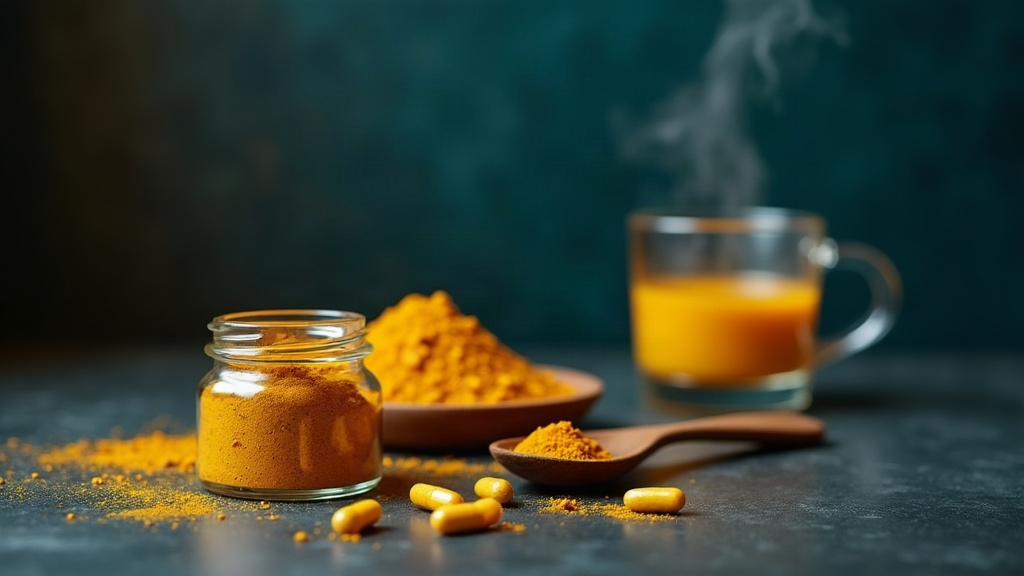

Turmeric and metformin share a blood-glucose-lowering mechanism, which creates a potential additive effect worth discussing with your prescriber before combining them. Research in diabetic animal models shows curcumin may enhance insulin sensitivity and lower blood glucose, which is promising but also the source of the interaction concern. The practical guidance: inform your doctor, monitor blood glucose more closely when starting turmeric, and watch for low-blood-sugar symptoms.
Metformin is one of the most widely prescribed medications in the world, taken daily by millions of people managing type 2 diabetes or prediabetes. Turmeric is equally popular as a wellness supplement. The question of whether they interact is legitimate, practical, and worth a careful answer.
The short answer: yes, there is a potential interaction worth knowing about, primarily through overlapping effects on blood glucose. This does not mean you cannot take them together, but it does mean you should discuss it with your prescribing doctor before doing so.
What the interaction concern actually is
Both metformin and curcumin (turmeric's active compound) lower blood glucose, though through different mechanisms. When two substances do the same thing through different pathways, their effects can add together in ways that are either useful or require closer monitoring.
Metformin works primarily by reducing the liver's output of glucose (hepatic gluconeogenesis) and improving the body's sensitivity to insulin. It does not typically cause hypoglycemia on its own because it does not stimulate insulin secretion.
Curcumin has shown glucose-lowering effects through multiple mechanisms in preclinical research:
- Reducing hepatic glucose production (overlapping with metformin's primary action)
- Improving insulin receptor sensitivity
- Inhibiting certain enzymes involved in glucose metabolism
- Modulating gut microbiome composition in ways that may affect glucose absorption
The overlap in mechanism, particularly on hepatic glucose output and insulin sensitivity, is what creates the interaction concern: combining the two could push blood glucose lower than either would alone, potentially more than your diabetes management plan accounts for.
What the research shows
Not sure if your supplements and medications play well together? Flexwell automatically checks your full stack for interactions, flags combinations worth knowing about, and gives you a clear list to bring to your doctor or pharmacist. Check your interactions →
Most of the evidence for curcumin's glucose-lowering effects comes from animal models and small human trials. Here is an honest summary:
Animal research (strong mechanistic signal): Multiple diabetic rat and mouse studies have shown curcumin meaningfully reduces fasting blood glucose, improves insulin sensitivity, and reduces HbA1c equivalents. The mechanisms are well-characterized. But animal-to-human translation for supplements is notoriously unreliable.
Human trials (promising but limited): A 2012 randomized controlled trial published in Diabetes Care found curcumin supplementation significantly delayed progression from prediabetes to type 2 diabetes in a 9-month, 240-person trial. A 2019 systematic review of curcumin trials in type 2 diabetes found modest but statistically significant reductions in fasting blood glucose and HbA1c. Most trials used 500 to 1,500 milligrams of curcumin extract daily, doses much higher than typical supplement capsules.
The metformin-specific combination: No published human trials have directly studied curcumin and metformin together in people. A handful of preclinical studies have looked at the combination and found additive or synergistic glucose-lowering effects in diabetic animal models. One hypothesis in the research literature is that the combination might even be beneficial for reducing metformin dose requirements, but this is speculative and has not been tested rigorously in humans.
The drug transporter question: Curcumin may also affect OCT1 (organic cation transporter 1), the intestinal transporter that metformin uses to be absorbed. Preclinical data suggest curcumin inhibition of OCT1 could alter metformin bioavailability. The clinical relevance of this at typical supplement doses in humans has not been established.
Given where the evidence sits, this is a "be aware and monitor" situation, not a "do not combine" situation.
Symptoms to watch for
Because metformin alone rarely causes hypoglycemia, most people who add turmeric will not notice anything unusual. But if the combined blood-glucose-lowering effect is meaningful in your case, watch for signs that your glucose has dropped more than expected:
- Shakiness or trembling
- Sudden sweating (not heat-related)
- Rapid or pounding heartbeat
- Dizziness or lightheadedness
- Sudden irritability, anxiety, or mood shift
- Hunger that feels urgent
- Headache
- Difficulty concentrating or mild confusion
If you have a glucometer, checking blood sugar when these symptoms appear helps rule in or out a glucose connection. Contact your healthcare provider if symptoms are new, recurrent, or concerning.
Timing and practical considerations
There is no established guidance on specific timing for separating turmeric and metformin. Unlike some supplement-drug interactions (such as calcium and levothyroxine, which require a two-hour gap), the turmeric-metformin concern is about additive pharmacological effects rather than absorption interference.
If you and your doctor decide the combination is appropriate for your situation, consider:
- Starting with a lower dose of turmeric and working up gradually so you can observe any change in blood glucose response
- Monitoring blood glucose more frequently for the first few weeks if you check at home
- Keeping your next scheduled A1C test on schedule so you can see whether your control pattern has shifted
- Noting any new symptoms and bringing them to your next appointment
Do not adjust your metformin dose without your doctor's guidance, even if you feel your blood sugar is running lower.
The curcumin bioavailability issue
A practical point relevant to this interaction: curcumin is poorly absorbed on its own. Turmeric powder added to food contains roughly 3% curcumin by weight, and most of that passes through unabsorbed without specific formulation strategies.
Curcumin supplements that claim enhanced bioavailability use one of three main approaches:
- Piperine (black pepper extract): 20mg piperine can increase curcumin absorption by up to 2,000% in some studies. This is the most common formulation.
- Phospholipid complexes (Meriva, Phytosome): curcumin bound to phosphatidylcholine for enhanced uptake
- Lipid-based nanoparticles or emulsions
Higher-bioavailability formulations are more likely to produce an effect relevant to the interaction concern. Standard turmeric powder in food is much less likely to raise the same flag, though cooking with large amounts daily could still contribute.
When to talk to your doctor or pharmacist
Before adding turmeric supplements (not just culinary use, but meaningful supplemental doses) when you are taking metformin, have a conversation with your prescribing doctor or a pharmacist. Specifically:
- Tell them what dose and form of turmeric or curcumin you plan to take
- Ask whether any change in blood glucose monitoring is warranted
- Ask whether your current A1C and glucose management pattern leaves room for any downward shift without concern
- Ask about any other glucose-related medications you take that could compound the effect
This conversation takes five minutes and removes the guesswork. Pharmacists are an underused resource for exactly this kind of supplement-drug interaction question and are well-positioned to flag concerns your prescriber may not have time to research.
Flexwell for tracking and interaction checking
If you are managing a supplement routine alongside a medication like metformin, consistent logging matters. Knowing exactly when you started turmeric, at what dose, and how your health metrics shifted over the same period gives you real data to bring to your healthcare team instead of impressions.
Flexwell lets you log both your supplements and medications, set daily reminders for consistent timing, and track how your energy, sleep, and wellness scores trend alongside your stack. The app is also building toward an interaction-checking feature that will flag pairings like turmeric and metformin directly, so you see the concern before you start rather than after. If you are stacking anything new with a prescription medication, logging it from day one is the kind of data your care team will actually appreciate.
For related reading on how medications and supplements interact, see supplements and medication interactions and does metformin deplete B12.
These statements have not been evaluated by the Food and Drug Administration. This article is for informational purposes only and is not intended to diagnose, treat, cure, or prevent any disease or health condition. Consult your doctor or pharmacist before making changes to your supplement or medication regimen.
Frequently Asked Questions
Is it safe to take turmeric with metformin?
The combination has not been formally tested in large-scale human trials, so a definitive safety verdict is not available. Both turmeric (curcumin) and metformin lower blood glucose through overlapping mechanisms, which creates a potential additive effect. The cautious approach is to inform your prescribing doctor before adding turmeric, monitor blood sugar more closely when you start, and watch for symptoms of low blood sugar. This is not a contraindicated combination, but it warrants medical supervision.
Can turmeric affect blood sugar levels?
Yes. Curcumin, turmeric's primary active compound, has demonstrated blood-glucose-lowering effects in multiple animal studies and several small human trials involving people with prediabetes and type 2 diabetes. Mechanisms include improved insulin sensitivity, reduced hepatic glucose output, and decreased intestinal glucose absorption. The magnitude of the effect in humans is not firmly established, but it is real enough to be relevant when combined with a glucose-lowering medication like metformin.
Does turmeric interfere with metformin absorption?
There is limited evidence that curcumin may affect drug transporters involved in metformin absorption and clearance. Preclinical data suggest curcumin may inhibit organic cation transporter 1 (OCT1), the primary intestinal transporter for metformin. If confirmed in humans at typical supplement doses, this could potentially affect metformin blood levels. This area of research is still early, and the clinical significance at common supplement doses is unknown. It is one more reason to mention turmeric use to your prescribing doctor.
What are the signs of low blood sugar to watch for when taking turmeric with metformin?
Watch for shakiness or trembling, sweating, rapid heartbeat, dizziness or lightheadedness, irritability, confusion, headache, and hunger that comes on suddenly. More severe hypoglycemia can cause slurred speech, blurred vision, or loss of consciousness. If you experience these symptoms, check your blood glucose, consume fast-acting carbohydrates, and contact your healthcare provider. Call emergency services if symptoms are severe or do not resolve.
When should I take turmeric if I am also taking metformin?
There is no established optimal timing for separating turmeric and metformin. Since both exert glucose-lowering effects, some practitioners suggest taking them at different meals to potentially reduce additive effects, but this has not been studied directly. The more important step is discussing the combination with your doctor before starting, so they can advise on monitoring and any dose adjustments. Do not change your metformin dose or timing on your own.
Can turmeric lower blood sugar too much when taken with metformin?
Metformin on its own rarely causes hypoglycemia (it works differently from insulin or sulfonylureas). However, if turmeric adds an additional blood-glucose-lowering effect, the combined result could push levels lower than intended, especially in people whose blood sugar is already well controlled or who are skipping meals. Clinically significant additive hypoglycemia from this specific combination has not been documented in published human trials, but the theoretical risk is real enough to warrant monitoring and medical disclosure.
Should I tell my doctor I take turmeric while on metformin?
Yes, always. Medication interactions and additive effects from supplements can affect how well your diabetes management plan works. Your doctor or pharmacist can advise on what to watch for, whether any monitoring changes are warranted, and whether the combination fits your overall care plan. This applies even if turmeric seems like a harmless food ingredient.
Is curcumin the same as turmeric in terms of blood sugar effects?
Curcumin is the active polyphenol in turmeric most associated with its health effects, including the blood-sugar-related ones. Standard turmeric powder contains roughly 3% curcumin by weight. Curcumin supplements typically concentrate this and often include piperine or phospholipid complexes to improve bioavailability. The research on glucose effects uses curcumin extracts, so a typical culinary turmeric dose is much lower than what research studies have used.
What dose of turmeric has an effect on blood sugar?
Human trials examining curcumin and blood glucose have generally used 500 milligrams to 1,500 milligrams of curcumin extract daily, which is many times more concentrated than typical culinary turmeric use. At those doses, effects on insulin sensitivity and glucose levels have been observed. The relevance at lower supplemental doses common in capsule form (250 to 500 milligrams of turmeric extract) is less clear. Higher-dose curcumin supplements are more likely to produce an effect relevant to this interaction.
See what's actually working
Flexwell tracks your supplements and medications, connects your wearable data, and shows you the real impact on your sleep, energy, and recovery. Stop guessing, start seeing.
See your impactRelated reading
Turmeric and Antidepressants (SSRIs): What to Know Before Combining Them
Turmeric (curcumin) has shown antidepressant-like effects in research, which raises meaningful interaction questions…
Can You Take Turmeric and Fish Oil Together?
Turmeric and Blood Pressure Medication: What to Know
Curcumin, the active compound in turmeric, has mild blood-pressure-lowering properties based on several small human…