Turmeric and Antidepressants (SSRIs): What to Know Before Combining Them
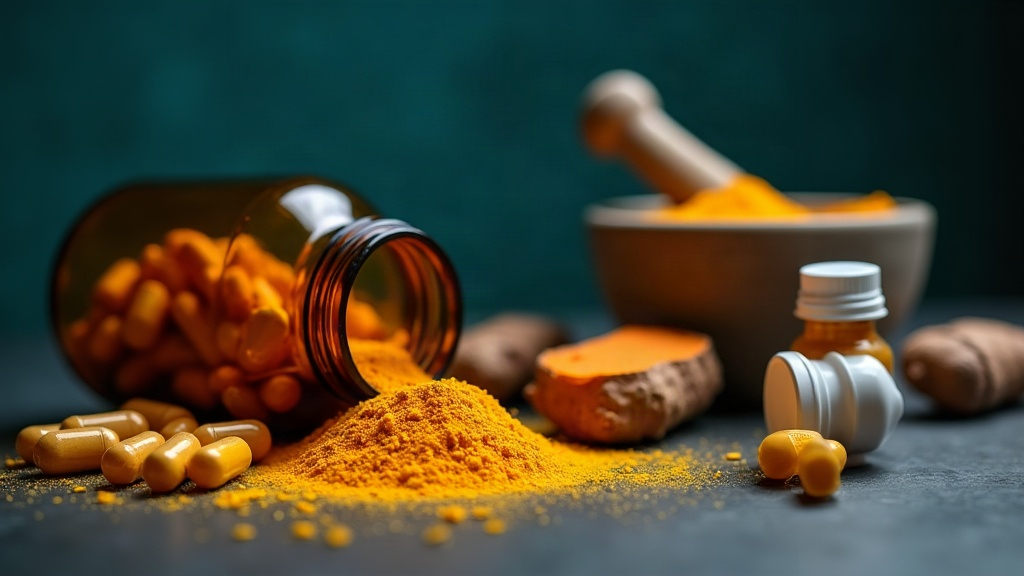
Turmeric (curcumin) has shown antidepressant-like effects in research, which raises meaningful interaction questions for people already taking SSRIs or SNRIs. The primary concerns are a potential additive effect on serotonin pathways and an increased bleeding risk when curcumin's antiplatelet properties combine with antidepressant-related platelet effects. This is not a hard contraindication, but it warrants a conversation with your prescribing doctor before combining them.
Turmeric is one of the most widely taken supplements. Antidepressants, particularly SSRIs, are among the most widely prescribed medications. A meaningful number of people are taking both, often without mentioning the supplement to their prescriber. Here is an honest look at why that disclosure matters.
The short answer: there are real interaction concerns worth knowing about, primarily involving serotonin pathways and bleeding risk. This is not a hard "do not combine" situation for most people, but it is one that warrants a specific conversation with your prescribing doctor before adding turmeric supplements to an antidepressant regimen.
What the interaction concern actually is
Curcumin, the primary active compound in turmeric, has shown two types of effects that create interaction concerns with antidepressants.
First: serotonin pathway effects. Preclinical research has found curcumin inhibits monoamine oxidase (MAO), the enzyme responsible for breaking down serotonin, dopamine, and norepinephrine. SSRIs and SNRIs increase serotonin availability by blocking its reuptake. If curcumin simultaneously slows serotonin breakdown via MAO inhibition, the combined effect could push serotonin levels higher than either compound would alone. This is the theoretical basis for serotonin syndrome risk, though documented cases from turmeric plus SSRIs specifically are not found in the published literature at standard supplement doses.
Second: antiplatelet and bleeding effects. SSRIs deplete serotonin from platelets over time, impairing normal platelet aggregation (this is why SSRIs carry a bleeding warning in prescribing information). Curcumin independently has antiplatelet properties through separate mechanisms, including inhibiting thromboxane formation and platelet-activating factor. Combining two substances that each modestly impair platelet function can compound the effect, increasing the practical risk of bruising or unusual bleeding, particularly if you are also using NSAIDs.
Third: CYP enzyme effects. Curcumin inhibits several cytochrome P450 enzymes (CYP3A4, CYP2D6, CYP1A2) and P-glycoprotein. Many antidepressants are metabolized through these same pathways. Inhibiting them could slow the clearance of certain antidepressants, raising blood levels above the intended therapeutic range. The clinical significance at typical supplement doses is uncertain but relevant to disclose.
What the research shows on curcumin and mood
Not sure if your supplements and medications play well together? Flexwell automatically checks your full stack for interactions, flags combinations worth knowing about, and gives you a clear list to bring to your doctor or pharmacist. Check your interactions →
The interaction concern exists alongside a genuinely interesting body of research on curcumin's own antidepressant-like effects, which is what makes the picture nuanced.
Several randomized controlled trials and a 2019 meta-analysis covering six trials found curcumin supplementation produced statistically significant reductions in depression and anxiety scores compared to placebo. The proposed mechanisms include:
- Reducing neuroinflammation (lowering IL-6, TNF-alpha, and other inflammatory markers in the brain)
- Supporting BDNF (brain-derived neurotrophic factor), which is often lower in depression
- Modulating serotonin and dopamine availability through MAO inhibition
- Reducing cortisol, supporting HPA axis regulation
The effect sizes in these trials were modest, study populations were small, and blinding was sometimes imperfect. Curcumin is not a replacement for prescribed medication. But the research is substantive enough that some investigators have examined it as a potential adjunct to SSRIs, which is exactly the scenario that makes the interaction question more complicated.
What this means practically: the same mechanism that might make curcumin helpful for mood (serotonin pathway effects) is the same mechanism that creates the interaction concern when combined with a serotonergic prescription drug. It is not a paradox, but it does require medical oversight to navigate.
Serotonin syndrome: what to know
Serotonin syndrome is an excess of serotonin activity, usually from drug combinations. It ranges from mild (agitation, rapid heart rate, excessive sweating, diarrhea) to severe (high fever, muscle rigidity, seizures, life-threatening cardiac arrhythmia).
The theoretical concern with curcumin plus an SSRI is real in that the mechanisms are plausible. The practical risk from turmeric at typical supplement doses is likely low for most people, particularly since curcumin is poorly bioavailable without specific formulations. But risk is not zero, and it rises with:
- Higher-bioavailability curcumin formulations (piperine-enhanced, phospholipid complexes)
- Higher supplement doses
- Multiple serotonergic agents (for example, an SSRI plus tramadol plus turmeric)
- Individual variation in CYP enzyme activity
Watch for these early signs if you add turmeric to an SSRI regimen: agitation or restlessness that feels different from your baseline, sudden rapid heart rate, excessive sweating without a clear cause, muscle twitching, or diarrhea appearing soon after starting the supplement. If these occur, stop the supplement and contact your doctor. Do not try to manage early serotonin syndrome symptoms on your own.
The bleeding risk in practice
Bruising or bleeding that seems disproportionate to minor bumps or cuts, longer-than-usual bleeding from small wounds, or unusual nosebleeds are the kinds of signs to monitor. Most people will not notice anything dramatic. But if you take an SSRI and add turmeric, and you also use ibuprofen or naproxen occasionally, you now have three substances each contributing modest antiplatelet effects, and the combined impact becomes more relevant.
This is especially worth discussing if you:
- Have a history of gastrointestinal bleeding
- Take other anticoagulants or antiplatelet medications
- Are scheduled for any surgical or dental procedure (turmeric should generally be stopped beforehand)
- Are on a dose of SSRI that already causes bruising
Timing and practical considerations
There is no established spacing protocol for turmeric and antidepressants that is supported by human data. Unlike some interactions where timing is the primary variable (calcium and levothyroxine, for example), the concerns here are pharmacological rather than primarily absorption-based.
If your doctor determines the combination is appropriate:
- Start with a lower curcumin dose and monitor for any new symptoms
- Note whether your antidepressant's effects seem to shift, either stronger (consistent with CYP inhibition slowing its clearance) or different in character
- Keep track of any bruising patterns, especially in the first month
- Tell your dentist or any surgical provider that you take both
Which formulations raise the concern more
Standard culinary turmeric powder contains about 3% curcumin by weight. Adding turmeric to food occasionally is unlikely to deliver enough curcumin to meaningfully affect serotonin metabolism or platelet function in most people.
High-bioavailability curcumin supplements, however, are a different story:
- Piperine-enhanced formulas: Piperine increases curcumin absorption up to 20-fold. Piperine itself also inhibits CYP3A4, adding to any drug metabolism concern.
- Phospholipid complexes (Meriva, Phytosome): Enhanced absorption means more bioavailable curcumin.
- Nano-formulations: Designed to maximize systemic absorption.
If you use one of these higher-bioavailability formulations alongside an antidepressant, the conversation with your prescriber is more important, not less.
When to talk to your doctor or pharmacist
Before starting turmeric supplements (not just food-level use) while on any antidepressant, have a direct conversation. Specifically:
- Tell them the dose and form of curcumin you plan to take
- Ask whether any adjustment in how you monitor side effects is warranted
- Ask whether the specific antidepressant you take is metabolized through CYP2D6 or CYP3A4 (pharmacists are excellent resources for this)
- Ask about your overall bleeding risk given your medication list
- Ask whether starting low and titrating up slowly is advisable
This is a five-minute conversation that replaces months of guessing.
Flexwell for tracking and interaction awareness
Managing a supplement stack alongside a prescription antidepressant means paying attention to subtle shifts in how you feel. Knowing exactly when you started a new supplement, at what dose, and how your energy, sleep, and mood scores tracked from that date forward gives you real information to bring to your care team.
Flexwell lets you log both your supplements and medications, set daily reminders to stay consistent, and track wellness trends over time. The app is building toward an interaction-checking feature that will flag pairings like turmeric and SSRIs at the point of logging, surfacing the key concerns before they become a problem. If you are combining any supplement with a psychiatric medication, logging it from day one is the kind of data your doctor will appreciate at your next appointment.
For more on supplement and medication interactions, see supplements and medication interactions and supplements you should not take together.
These statements have not been evaluated by the Food and Drug Administration. This article is for informational purposes only and is not intended to diagnose, treat, cure, or prevent any disease or health condition. This content is not a substitute for professional medical advice, diagnosis, or treatment. Consult your doctor or pharmacist before making any changes to your supplement or medication regimen.
Frequently Asked Questions
Is it safe to take turmeric with antidepressants?
There is no blanket contraindication, but the combination requires medical oversight. The two main concerns are a potential additive effect on serotonin signaling and increased bleeding risk from the combination of curcumin's antiplatelet properties with serotonin-related platelet changes from SSRIs. Always inform your prescribing doctor before adding turmeric supplements to an antidepressant regimen. Culinary turmeric in food is a much lower dose and less likely to be clinically relevant, but meaningful supplemental doses warrant discussion.
Can turmeric affect serotonin levels?
Some research suggests curcumin may influence serotonin pathways. Preclinical studies have shown curcumin can inhibit monoamine oxidase (MAO), the enzyme that breaks down serotonin, and may modulate serotonin receptor activity. These effects could theoretically add to those of an SSRI or SNRI, though direct human evidence for this specific combination is limited. The theoretical risk of serotonin syndrome from turmeric alone at normal doses is very low, but the additive concern with a prescribed serotonergic medication makes it worth flagging to your doctor.
Can turmeric cause serotonin syndrome when taken with SSRIs?
Serotonin syndrome from turmeric combined with an SSRI has not been documented in published case reports at standard supplement doses. However, because curcumin appears to influence serotonin metabolism in preclinical studies, the theoretical risk of serotonin excess is present. Watch for early serotonin syndrome symptoms: agitation, rapid heart rate, muscle twitching, excessive sweating, diarrhea, or restlessness. If these appear after adding turmeric, stop and contact your doctor immediately.
Does turmeric affect the absorption or metabolism of antidepressants?
Curcumin inhibits several cytochrome P450 enzymes (notably CYP3A4, CYP2D6, and CYP1A2) and P-glycoprotein (P-gp), which are involved in metabolizing many antidepressants including SSRIs, SNRIs, and tricyclics. Inhibiting these enzymes could theoretically slow the breakdown of certain antidepressants, raising their blood levels higher than intended. The clinical significance at typical supplement doses in humans is not firmly established, but it is one more reason for medical disclosure.
Does turmeric increase bleeding risk with antidepressants?
Yes, this is a real concern worth discussing with your doctor. SSRIs and SNRIs reduce serotonin inside platelets, which impairs normal platelet aggregation and modestly increases bleeding risk on their own. Curcumin also has antiplatelet properties through separate mechanisms. Combining the two could compound the effect on platelet function, potentially increasing the risk of bruising or bleeding, particularly if you are also taking NSAIDs like ibuprofen. Tell your doctor if you notice unusual bruising or prolonged bleeding from minor cuts.
What are the signs of serotonin syndrome to watch for?
Early signs include agitation, restlessness, rapid heart rate, elevated blood pressure, dilated pupils, heavy sweating, diarrhea, and muscle twitching or tremor. Moderate cases add high fever, muscle rigidity, and coordination problems. Severe serotonin syndrome is a medical emergency and includes seizures, irregular heartbeat, and loss of consciousness. If you develop these symptoms after starting turmeric alongside an antidepressant, stop the supplement and seek medical care promptly. Most cases from supplement combinations, if they occur, present mildly.
Can turmeric help with depression?
Curcumin has shown antidepressant-like effects in several small randomized trials and animal models. Mechanisms studied include reducing neuroinflammation, supporting BDNF (brain-derived neurotrophic factor), modulating serotonin and dopamine pathways, and lowering cortisol. A 2019 meta-analysis of six randomized controlled trials found curcumin supplementation was associated with statistically significant reductions in depression scores. The effects were modest and study quality varied. Curcumin is not a replacement for prescribed antidepressants, but the research is intriguing enough that some researchers have explored it as an adjunct. Do not adjust or stop prescribed medication to try turmeric.
Which antidepressants have the most concern when combined with turmeric?
SSRIs (sertraline, fluoxetine, escitalopram, paroxetine, citalopram) and SNRIs (venlafaxine, duloxetine) have the most overlap in terms of both serotonin effects and CYP enzyme pathways. Paroxetine is a strong CYP2D6 inhibitor, and since curcumin also affects this enzyme, the combination could alter drug levels. MAOIs have the highest theoretical serotonin syndrome risk with any serotonin-affecting substance and should not be combined with curcumin supplements without explicit medical guidance. Tricyclic antidepressants are also metabolized via CYP2D6, adding another layer of concern.
Should I stop taking turmeric if I start antidepressants?
Do not make that call without your prescriber. The right answer depends on the dose and form of turmeric you take, which antidepressant you are starting, your baseline platelet function, and your other medications. Tell your prescribing doctor you take turmeric before starting an antidepressant so they can factor it into their recommendation. Some people take both without issues under medical supervision; others may be advised to stop the supplement. This is your doctor's call to make with the full picture.
See what's actually working
Flexwell tracks your supplements and medications, connects your wearable data, and shows you the real impact on your sleep, energy, and recovery. Stop guessing, start seeing.
See your impactRelated reading
Turmeric and Metformin: Interaction, Timing, and What the Research Shows
Turmeric and metformin share a blood-glucose-lowering mechanism, which creates a potential additive effect worth…
Can You Take Turmeric and Fish Oil Together?
Turmeric and Blood Pressure Medication: What to Know
Curcumin, the active compound in turmeric, has mild blood-pressure-lowering properties based on several small human…