Do Antacids and PPIs Block Nutrient Absorption?
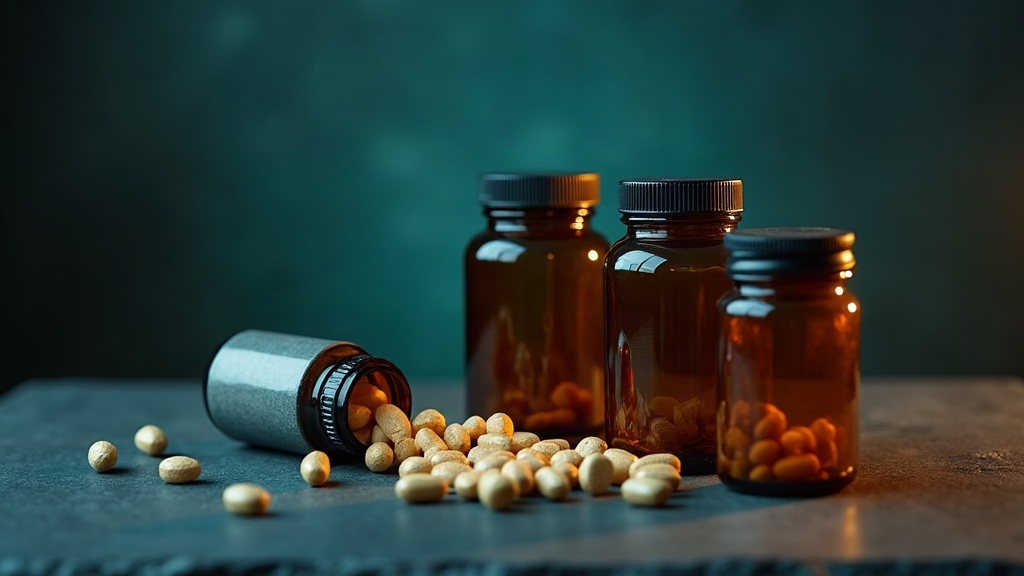

PPIs reduce stomach acid, and stomach acid plays a key role in absorbing several nutrients. Long-term PPI use is associated with lower magnesium, vitamin B12, calcium, and iron levels in a meaningful share of users. The effect builds gradually, which makes it easy to overlook. If you have been on a PPI for more than a year, it is worth asking your doctor about monitoring these nutrients.
Proton pump inhibitors, commonly known as PPIs, are among the most prescribed medications in the world. Brand names like Prilosec, Nexium, Prevacid, and Protonix are household names. They suppress stomach acid production more potently than any other medication class, which is precisely why they work so well for acid reflux, GERD, peptic ulcers, and related conditions.
The problem is that stomach acid does more than digest food. It also plays a central role in how your body absorbs several key nutrients. Take away enough acid for long enough, and the body quietly starts pulling less of what it needs from the food and supplements you consume. The depletion is gradual, which is part of why it goes unnoticed.
Why Stomach Acid Matters for Nutrient Absorption
Stomach acid, primarily hydrochloric acid, serves several nutrient-related functions. It cleaves vitamin B12 from the food proteins it is bound to, allowing it to bind with a carrier protein called intrinsic factor for eventual absorption. It converts iron from the ferric form found in plant foods to the ferrous form that your intestine can actually absorb. It dissolves calcium carbonate so it can pass through the gut wall. And it helps maintain an environment in the stomach that supports magnesium absorption.
PPIs work by blocking the proton pump in the stomach lining, the final step in acid production. They reduce gastric acid output by 80 to 95 percent at standard doses. That is effective for treating acid-related conditions, but it also systematically reduces the acid-dependent steps in nutrient absorption. The result accumulates over months and years.
Magnesium: The Depletion With the Strongest Signal
Not sure if your supplements and medications play well together? Flexwell automatically checks your full stack for interactions, flags combinations worth knowing about, and gives you a clear list to bring to your doctor or pharmacist. Check your interactions →
Of all the nutrients affected by long-term PPI use, magnesium has the clearest and most concerning evidence.
In 2011, the FDA issued a drug safety communication warning that PPIs can cause low blood magnesium levels, a condition called hypomagnesemia. The warning was triggered by a review of 38 published case reports and unpublished adverse event reports, which showed that long-term PPI use (typically more than one year, and often more than five years) could produce magnesium levels low enough to cause serious complications including muscle spasms, irregular heartbeat, and seizures.
The mechanism is not fully understood. PPIs appear to interfere with active magnesium transport in the small intestine, rather than simply reducing acid-dependent dissolution. This makes the interaction somewhat different from the other nutrient effects, which are primarily absorption-based.
Observational studies have since confirmed the population-level signal. A large Netherlands cohort found PPI users had significantly higher rates of hypomagnesemia than non-users, with risk rising with dose and duration. Studies from Denmark, Germany, and the United States have replicated this finding.
What makes magnesium depletion particularly worth watching is its symptoms. Low magnesium can cause muscle cramps and twitching, fatigue, sleep disruption, anxiety, and heart palpitations, all of which are common enough complaints that the PPI connection rarely gets considered. If you have been on a PPI for more than a year and have any of these symptoms, asking your doctor about a magnesium level check is reasonable.
Vitamin B12: Gradual Depletion Over Years
Vitamin B12 absorption depends on stomach acid at an early, critical step. When you eat animal products, B12 is bound tightly to food proteins. Stomach acid denatures those proteins and releases the B12, which can then bind to intrinsic factor and eventually be absorbed in the small intestine. If acid is suppressed, the protein denaturation step is impaired, and less B12 is released from food.
The evidence for PPI-related B12 depletion is moderately strong. A large Kaiser Permanente study published in JAMA in 2013, covering more than 184,000 people, found that PPI use for two or more years was associated with a 65 percent increased risk of B12 deficiency compared to non-users. H2 blocker use also raised risk, though to a lesser degree.
Two important nuances: First, the depletion is slow, building over years of use. Short-term PPI use for a few weeks is unlikely to meaningfully affect B12 levels. Second, B12 from supplements is absorbed differently from food-bound B12. Crystalline B12 (the form in supplements and fortified foods) does not require intrinsic factor for absorption at the doses found in most supplements, which means supplementing can partially compensate even with reduced acid.
If you have been on a PPI for several years, asking your prescriber to check your B12 level is a reasonable addition to routine monitoring, particularly if you eat limited animal products or are older, since B12 absorption declines with age regardless of medication use.
Calcium: Form Matters More Than You Might Think
Calcium carbonate, the form found in the most widely used calcium supplements and in Tums (which many people take as both antacid and calcium source), requires an acidic environment to dissolve properly. In a low-acid stomach, calcium carbonate dissolves less completely, and less gets absorbed.
A 2006 meta-analysis and subsequent population studies have found that long-term PPI use is associated with modestly increased fracture risk, particularly hip fracture, in older adults. The FDA issued a safety communication on this in 2010. The effect size is not dramatic, but it is consistent enough that it earned regulatory attention.
Importantly, not all calcium supplements have this problem. Calcium citrate dissolves in water without requiring acid and is absorbed normally even in people with low stomach acid. If you take a PPI and also take calcium, switching from calcium carbonate to calcium citrate is a straightforward, practical step worth discussing with your prescriber or pharmacist.
Iron: A More Variable Effect
Iron absorption is somewhat more complicated to study with PPIs, partly because iron deficiency has many causes and is less reliably tracked in population data.
The mechanism is real: stomach acid converts dietary iron from ferric iron (Fe3+) to ferrous iron (Fe2+), and only the ferrous form can be absorbed in the small intestine. In a low-acid environment, less conversion occurs, and less iron is absorbed. This particularly affects non-heme iron, the type found in plant foods, which already has lower bioavailability than heme iron from meat.
Case reports and smaller studies have documented iron deficiency in long-term PPI users. The effect appears more pronounced in people who are vegetarian or vegan, in women of reproductive age with higher iron demands, and in people with marginal iron status to begin with.
If you are on a long-term PPI and have symptoms of iron deficiency such as fatigue, pallor, or shortness of breath on exertion, discussing iron levels with your doctor is reasonable.
How Long Does Short-Term Use Matter?
Most of the documented nutrient depletion from PPIs is associated with long-term use, meaning generally one year or more of continuous use. The FDA safety communications on magnesium and fracture risk specifically reference long-term use.
Short-term PPI use, such as a typical four-to-eight-week course for an acute reflux flare or to heal an ulcer, carries significantly less risk of clinically meaningful nutrient depletion. The concern scales with duration and dose.
This matters because a large proportion of PPI users started on a short course and never stopped. Estimates suggest that between 25 and 70 percent of long-term PPI prescriptions may lack clear ongoing indication. If you have been taking a PPI for years without a recent clinical conversation about whether you still need it, that discussion is worth initiating with your prescriber.
What to Actually Discuss With Your Doctor or Pharmacist
If you have been on a PPI for more than a year, a few things are worth bringing up at your next appointment:
- Whether the original indication for the PPI still applies, or whether a step-down to an H2 blocker or an as-needed approach is reasonable
- Whether periodic monitoring of magnesium and B12 levels makes sense given your duration of use
- If you take calcium supplements, whether switching from carbonate to citrate form is appropriate
- If you eat limited animal products or have other B12 risk factors, whether B12 monitoring is warranted
These are not reasons to stop a medication that is managing a genuine condition. They are reasons to make sure the nutrient effects are on your prescriber's radar so that depletion does not build silently over time.
Supplement Timing Considerations
If you take iron supplements and a PPI, timing can partially offset the absorption reduction. Iron is best absorbed on an empty stomach, but taking it away from the PPI (for example, a couple of hours after the PPI, when some acid may have recovered) may improve absorption modestly. However, timing adjustments are not a substitute for clinical monitoring.
For calcium citrate, timing relative to the PPI does not matter much, since it does not require acid. For B12, sublingual or high-dose oral B12 supplements bypass the food-protein release step that PPIs impair, so they tend to be well-absorbed regardless of acid levels.
For magnesium, the interaction appears to involve active transport mechanisms rather than just acid-dependent dissolution, meaning supplemental magnesium form does matter. Magnesium citrate, glycinate, and malate are better absorbed than magnesium oxide, which is the form in many inexpensive supplements and requires some acid to dissolve effectively.
For a broader look at how to think about drugs and nutrient depletion patterns, see our guide on does metformin deplete B12, which covers the same category of gradual, under-the-radar depletion. For supplement interactions that are not medication-related, see supplements you shouldn't take together.
How Flexwell Can Help
When you are on a long-term medication that has documented nutrient effects, keeping a clear record of your full supplement and medication stack matters. Flexwell lets you log your PPI alongside any supplements you take, and flags the documented interaction pattern so you have a concrete prompt to bring to your next prescriber or pharmacist visit.
If you are monitoring for symptoms of magnesium or B12 depletion, such as muscle cramps, fatigue, or mood changes, consistent daily logging in Flexwell lets you note these patterns over time. That is a more useful data point for your doctor than trying to recall several months of variable energy from memory.
The app's Interaction Checker is designed specifically for the kind of medication-plus-supplement combinations where the effects are real but quiet. PPIs and nutrient depletion are exactly this category.
Download Flexwell on the App Store: https://apps.apple.com/app/id6762058388
This article is for informational purposes only and does not constitute medical advice, diagnosis, or treatment. Always consult a qualified healthcare provider or licensed pharmacist before starting, stopping, or changing any medication or supplement. Individual results may vary. These statements have not been evaluated by the Food and Drug Administration. This product is not intended to diagnose, treat, cure, or prevent any disease.
Frequently Asked Questions
Do PPIs block nutrient absorption?
Yes, long-term PPI use is associated with lower levels of several nutrients, including magnesium, vitamin B12, calcium, and iron. Stomach acid plays a role in releasing and absorbing each of these, so reducing acid output can impair how much your body pulls from food and some supplements.
Which nutrients are most affected by PPIs?
Magnesium and vitamin B12 have the strongest evidence for PPI-related depletion. Calcium absorption is also affected, particularly the calcium carbonate form. Iron absorption is reduced in some users, especially those who depend on non-heme dietary iron. The effects vary by nutrient and duration of use.
How long do you have to take a PPI before nutrient depletion becomes a concern?
Most clinically significant depletion shows up after one year or more of continuous use. Short-term PPI use (a few weeks for acute reflux) carries much lower risk. The concern grows with dose, duration, and individual factors like diet and baseline nutrient status.
Should I take magnesium if I am on a PPI?
If your doctor has confirmed low magnesium levels on a PPI, supplementing is reasonable and commonly recommended. However, the form matters: magnesium citrate, glycinate, or malate are better absorbed than magnesium oxide, which requires less acid. Do not start supplementing without discussing it with your prescriber, since doses and monitoring needs vary.
Does stopping a PPI restore nutrient levels?
In most cases, yes. Magnesium levels typically normalize within weeks of stopping a PPI. B12, calcium, and iron levels can recover over months, though the timeline depends on how depleted you became and how good your dietary intake is. If you were severely depleted, your doctor may recommend supplementation during the recovery period.
Are H2 blockers like Pepcid safer for nutrient absorption than PPIs?
H2 blockers reduce acid less aggressively than PPIs and are generally considered lower risk for nutrient depletion. They do not eliminate stomach acid; they reduce it. For people on long-term acid suppression, switching to the lowest effective medication and dose is worth discussing with your prescriber.
Can I take calcium supplements if I am on a PPI?
Yes, but form matters. Calcium carbonate requires stomach acid to dissolve and absorb, so its absorption is impaired by PPIs. Calcium citrate does not require acid and is absorbed normally even with low stomach acid. If you take a PPI and need calcium supplementation, calcium citrate is the better choice.
Can Flexwell help me track PPI use and monitor my supplements?
Yes. Log your PPI and any supplements you take in the Flexwell app. Flexwell can flag this combination so you have a clear reminder to bring up nutrient monitoring with your prescriber, and consistent logging helps you spot patterns in energy, digestion, or muscle function that are worth mentioning at your next appointment.
See what's actually working
Flexwell tracks your supplements and medications, connects your wearable data, and shows you the real impact on your sleep, energy, and recovery. Stop guessing, start seeing.
See your impactRelated reading
Can You Take Turmeric and Fish Oil Together?
Turmeric and Blood Pressure Medication: What to Know
Curcumin, the active compound in turmeric, has mild blood-pressure-lowering properties based on several small human…

Can You Take Turmeric With Ibuprofen or NSAIDs?
Turmeric's curcumin and NSAIDs like ibuprofen both inhibit COX enzymes that drive inflammation, meaning they work…