Supplement and Medication Interactions You Should Know About
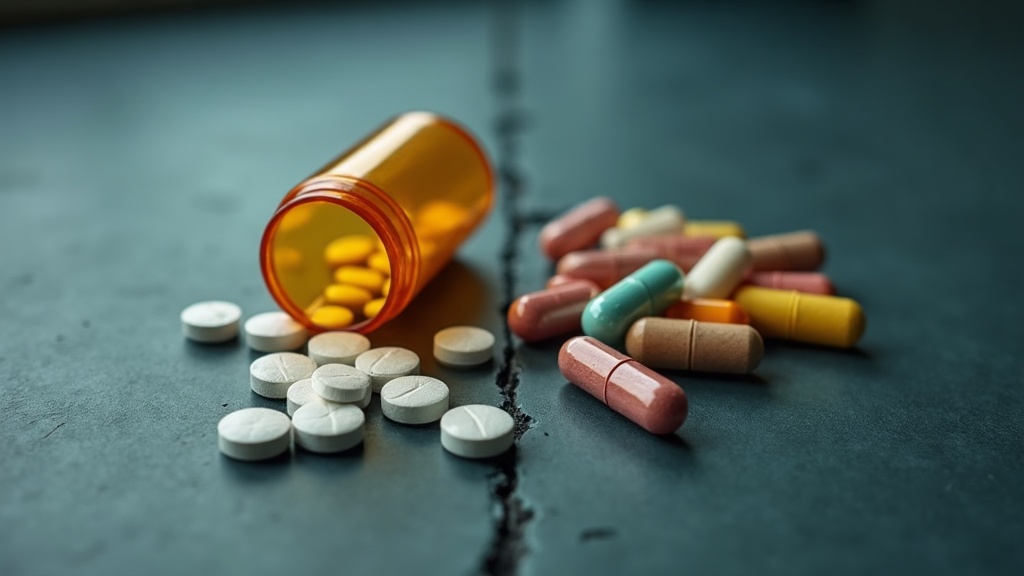

Some supplements can make common medications weaker or riskier. St. John's Wort speeds up liver enzymes and can weaken birth control, antidepressants, and blood thinners. Vitamin K counteracts warfarin, high-dose fish oil raises bleeding risk on anticoagulants, and calcium or iron taken with levothyroxine blocks absorption. Tell your doctor and pharmacist everything you take.
Supplements feel harmless because they are sold next to the vitamins and you do not need a prescription. But your body does not know the difference between a compound from a pill bottle and one from a pharmacy. Some supplements can quietly make a medication weaker, stronger, or riskier, and most people never connect the two. If you take any prescription drug, a few combinations are genuinely worth knowing about.
Here are the most important supplement and medication interactions, why they happen, and how to stay safe without giving up either one.
Why supplements and drugs interact
Most interactions come down to two systems. The first is absorption, where a supplement binds to a drug in your gut and blocks it from getting in. The second is metabolism, where a supplement speeds up or slows down the liver enzymes that clear a drug from your body. Speed it up and the drug gets cleared too fast to work. Slow it down and the drug builds up to levels that can cause side effects.
That is why the same supplement can be completely fine on its own and a problem alongside a specific medication. The supplement is not dangerous. The combination is.
Blood thinners and bleeding risk
Tired of guessing whether your supplements actually work? Flexwell logs your stack, flags interactions with your medications, and connects your wearable so you can see the real impact in your own data. Try Flexwell today →
This is the most important category to get right. If you take a blood thinner like warfarin or a newer anticoagulant, several supplements matter.
- Vitamin K directly counteracts warfarin, since warfarin works by blocking vitamin K. Sudden changes in intake can swing your levels.
- High-dose fish oil, vitamin E, ginkgo, and garlic can each thin the blood further, adding to a thinner's effect and raising bleeding risk.
None of these means you can never take them, but they must be discussed with the doctor managing your medication, and your dose should stay consistent.
St. John's Wort: the master disruptor
If there is one supplement to flag, it is St. John's Wort, often taken for low mood. It powerfully revs up the liver enzymes that clear drugs, which can weaken a long list of medications: birth control, antidepressants, blood thinners, some heart and HIV medications, and more. Because it makes drugs less effective rather than causing an obvious symptom, the failure is silent. Anyone on a prescription should treat St. John's Wort as off-limits unless a doctor says otherwise.
Common everyday interactions
Beyond the headline cases, a few routine combinations are worth spacing out or watching.
- Calcium, magnesium, and iron can bind to certain antibiotics and thyroid medication, blunting their absorption. Separate them by several hours. If you take levothyroxine for hypothyroidism, the timing rules are especially strict — see our guide to supplements to avoid with levothyroxine for the specifics.
- Metformin is a common diabetes medication with a well-documented effect on nutrient levels over time. Long-term use is linked to lower vitamin B12 — a gradual depletion that is easy to miss. See does metformin deplete B12 for the mechanism and what to discuss with your doctor.
- Potassium supplements can stack with certain blood pressure medications to push potassium too high.
- Grapefruit, while a food rather than a supplement, blocks a key drug-clearing enzyme and intensifies many medications. It is a useful reminder that natural does not mean inert.
How to take both safely
The single most powerful safety habit is also the simplest. Tell every doctor and pharmacist everything you take, including supplements and the doses. Pharmacists in particular are interaction experts and can spot a clash in seconds.
Beyond that, keep a complete and current list of your stack and your medications in one place, introduce new supplements one at a time so any change is easy to trace, and keep doses of interaction-prone supplements consistent rather than fluctuating.
This is exactly the gap Flexwell was built to close. Add your supplements and your medications to one stack, and Flexwell flags known interactions between them, drawing on clinical data, so you walk into your next appointment already knowing what to ask. It is not a replacement for your doctor or pharmacist, but it makes sure nothing slips through unnoticed. For interactions between supplements themselves, see our guide to supplements you shouldn't take together. If you are on a GLP-1 medication like Ozempic, the nutrient gap question is a specific one worth exploring — see our guide to supplements to take on Ozempic.
The bottom line
Supplements can absolutely interact with medications, most importantly blood thinners, antidepressants, birth control, and anything affected by St. John's Wort. The safe path is simple: tell your doctor and pharmacist everything you take, keep one current list of your full stack, and use a tool that flags interactions so nothing catches you by surprise.
Flexwell is a wellness tracking tool and does not provide medical advice, diagnosis, or treatment. Always consult a qualified healthcare provider before making changes to your supplements or medications.
Frequently Asked Questions
Can supplements interfere with medications?
Yes. Some supplements change how medications are absorbed or processed, making a drug stronger or weaker. Notable examples include St. John's Wort, vitamin K with blood thinners, and high-dose fish oil with anticoagulants. Always tell your doctor what you take.
Which supplements should you avoid with blood thinners?
Be cautious with vitamin K, which counteracts warfarin, and with high-dose fish oil, vitamin E, ginkgo, and garlic, which can increase bleeding risk. Anyone on a blood thinner should clear new supplements with their doctor first.
Does St. John's Wort interact with medications?
Yes, significantly. St. John's Wort speeds up how the liver clears many drugs, which can weaken birth control, antidepressants, blood thinners, and some heart medications. It is one of the most interaction-prone supplements available.
How can I check if my supplements interact with my medications?
Tell your pharmacist and doctor everything you take, including supplements. A tracking app like Flexwell can also flag known interactions between your stack and your medications so you have a heads-up to discuss with your provider.
See what's actually working
Flexwell tracks your supplements and medications, checks interactions, and connects your wearable data so you can see the real impact on your health.
Get the AppRelated reading
Levothyroxine and Supplements: What to Avoid and When to Take Everything Else
Calcium, iron, and magnesium can each reduce levothyroxine absorption if taken too close together. Take levothyroxine…

What Supplements Should You Take on Ozempic? A Practical 2026 Guide
GLP-1 medications like Ozempic reduce appetite, which means you take in less protein and fewer vitamins alongside the…
Can You Take Magnesium and Vitamin D Together?
Yes, magnesium and vitamin D work better together than either does alone. Magnesium activates the enzymes that convert…