Lion's Mane vs. Creatine for Brain Health
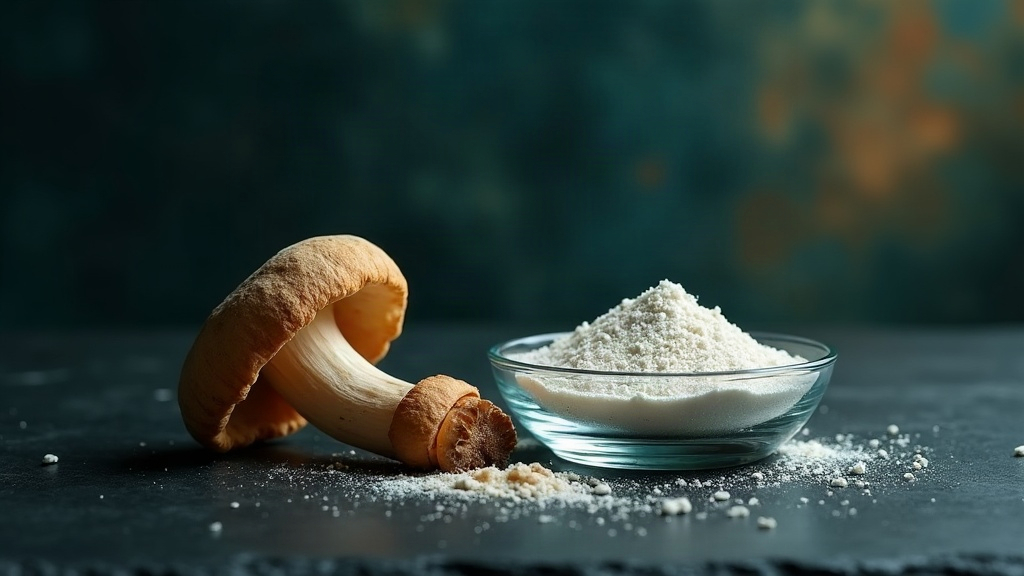

Creatine and lion's mane both support cognitive health but work through completely different mechanisms. Creatine boosts brain energy metabolism and has stronger, more consistent human trial evidence for near-term mental performance. Lion's mane stimulates nerve growth factor and is better suited to long-term neuronal maintenance, though it takes four to eight weeks before effects typically appear.
Both lion's mane and creatine are getting serious attention as cognitive supplements, but they are often grouped together as if they are interchangeable. They are not. They work through entirely different biological mechanisms, have different evidence profiles, and tend to be useful for different people.
Here is a clear breakdown so you can decide which one fits your situation, or whether using both makes sense.
Creatine: the energy metabolism route to better cognition
Creatine is best known as a muscle supplement, but it has a parallel and under-discussed role in brain energy metabolism. The brain is one of the highest energy-consuming organs in the body. It uses creatine to regenerate ATP rapidly, the cellular energy currency that powers neurons during demanding cognitive tasks.
Several well-controlled human trials have found that creatine supplementation supports working memory, mental fatigue resistance, and processing speed. The benefits are most pronounced in two populations: people under sleep deprivation (creatine partially offsets the cognitive decline from lost sleep) and vegetarians or vegans (who have lower baseline brain creatine levels since dietary creatine comes almost entirely from meat).
The standard dose is 3 to 5 grams of creatine monohydrate daily. No loading phase is needed for cognitive benefits. Creatine monohydrate is the best-studied and most affordable form. There is no meaningful advantage to branded variants for brain use.
One practical upside: the cognitive evidence for creatine is more consistent than for most nootropics. It has decades of safety data, it is inexpensive, and it works through a well-understood mechanism. If you want the supplement with the clearest near-term cognitive evidence, creatine has the edge.
Lion's mane: the neuroplasticity route
Tired of guessing whether your supplements actually work? Flexwell logs your stack, flags interactions with your medications, and connects your wearable so you can see the real impact in your own data. Try Flexwell today →
Lion's mane (Hericium erinaceus) takes a completely different approach. It stimulates the production of nerve growth factor (NGF), a protein that supports the growth, maintenance, and survival of neurons. Rather than boosting energy metabolism for short-term performance, it works on the structural and maintenance side of brain health.
Human trials are smaller and fewer than creatine's evidence base, but early results are promising, particularly for mild cognitive impairment and age-related cognitive decline. A notable 16-week Japanese trial found that lion's mane supplementation significantly improved cognitive function scores compared to placebo, with a reversal of benefits four weeks after stopping, suggesting an active ongoing effect.
For healthy adults without cognitive impairment, the evidence is thinner. The proposed mechanism is sound, but benefits are subtler and slower to develop. Doses in human studies typically range from 500 milligrams to 3 grams of the whole mushroom extract daily.
Quality matters more with lion's mane than with creatine. Look for products standardized for hericenones and erinacines, the bioactive compounds believed to be responsible for NGF stimulation. Mycelium-only products with high grain filler content are a common shortcut to avoid.
How the two compare head to head
| Factor | Creatine | Lion's Mane | |---|---|---| | Mechanism | Brain energy (ATP) | Nerve growth factor (NGF) | | Evidence strength | Strong, consistent | Moderate, promising | | Onset time | Days to weeks | 4 to 8 weeks minimum | | Best for | Mental fatigue, working memory under load | Long-term neuronal maintenance | | Cost | Very low | Moderate | | Interaction risk | Very low | Very low |
The honest summary is that creatine gives you faster, more reliable, better-evidenced cognitive support for everyday performance. Lion's mane is more of a long game, potentially more interesting for neuroplasticity and long-term brain maintenance, but slower to produce results and with a thinner human evidence base right now.
Who should use each one
Choose creatine if you want: near-term support for mental fatigue, working memory, or focus under pressure. Also if you are vegetarian or vegan, since you get essentially zero dietary creatine from food. Also if you are doing resistance training and want one supplement to cover both.
Choose lion's mane if you want: a longer-term approach to neurological health, particularly if you are interested in neuroplasticity or have mild cognitive symptoms you want to address over months rather than weeks. It is also worth considering if you are interested in cognitive aging and prevention.
Use both if: you want coverage across energy metabolism and neuronal maintenance. There is no interaction to worry about, and the mechanisms complement each other rather than overlap. For more on brain fog and the fuller supplement landscape, see our guide to supplements for brain fog.
Tracking whether either one is working
Cognitive supplements are notoriously hard to assess by feel. Stress, sleep, caffeine, alcohol, and hydration all shift how sharp you feel day to day, and those variables can easily mask or mimic a supplement effect.
The practical approach is to introduce one supplement at a time, commit to at least four weeks at a consistent dose, and log it. Actual sleep data from a wearable combined with daily subjective focus ratings gives you something to look back at instead of trying to remember whether things felt better three weeks ago.
Flexwell is built for this kind of tracking. Log your creatine or lion's mane, set consistent reminders, and let the wearable correlation features show you whether objective markers like sleep quality or heart rate variability are shifting alongside your subjective clarity. It also flags any interactions with medications, which is worth knowing before adding anything new.
These statements have not been evaluated by the Food and Drug Administration. This article is for informational purposes only and is not intended to diagnose, treat, cure, or prevent any disease or health condition.
Frequently Asked Questions
Is lion's mane or creatine better for brain health?
They work through different mechanisms. Creatine supports brain energy metabolism and has the most robust human trial evidence for cognitive performance, particularly under stress or sleep deprivation. Lion's mane stimulates nerve growth factor and may support neuronal maintenance over time. For quick, measurable cognitive support, creatine has a stronger evidence base.
Does creatine actually help with brain fog and focus?
Yes. Several human trials show creatine supplementation supports working memory, mental fatigue, and processing speed, especially in people who are sleep-deprived or vegetarian and have lower baseline brain creatine levels. Effects are most pronounced under cognitive load.
How long does lion's mane take to work for the brain?
Lion's mane benefits accumulate over time. Most human trials run eight to twelve weeks, and participants who notice effects typically report changes after four to eight weeks of consistent daily use. It is not a fast-acting supplement.
Can you take lion's mane and creatine together?
Yes. They work through completely different pathways, lion's mane via nerve growth factor, creatine via brain energy metabolism, so there is no known interaction. Using both is a reasonable approach if you want complementary cognitive support.
What dose of creatine supports cognitive function?
Most cognitive research uses 3 to 5 grams of creatine monohydrate daily. This is the same dose used in exercise research, so if you are supplementing for both physical and mental performance, standard creatine monohydrate covers both.
See what's actually working
Flexwell tracks your supplements and medications, checks interactions, and connects your wearable data so you can see the real impact on your health.
Get the AppRelated reading
What Supplements Should You Actually Take for Brain Fog?
Fix deficiencies first: vitamin B12, vitamin D, and iron are among the most common nutrient-based causes of brain fog…
The New Vitamin D Guidelines: What Changed
In 2024, the Endocrine Society released updated clinical practice guidelines on vitamin D, significantly revising who…
What the Latest Creatine Research Actually Found
Recent creatine research has expanded the conversation into brain health, aging, women's health, and even…